CapCut Text to Speech — How to Use It
CapCut text to speech turns typed scripts into polished narration without a microphone, studio, or voice actor. Whether you build Shorts on your phone or edit longer explainers on a tablet, the built-in AI voices help you publish faster when recording is awkward, noisy, or simply not an option. This guide covers the full CapCut tutorial workflow: adding text layers, opening the text-to-speech panel, previewing voices, and syncing generated audio with your timeline. You will also learn pacing tricks, music mixing, and export habits that keep narration clear on small speakers. If you have not installed the app yet, start from our CapCut download page for the latest build or a trusted CapCut APK. CapCut Pro may unlock extra voice styles in some regions, but the core capcut text to speech pipeline works on the free tier for most creators. Read through each section below or jump to the voice and pacing tips you need right now. By the end you will know how to script, generate, refine, and export voiceovers that sound intentional rather than robotic. Whether you publish daily Shorts or occasional explainers, these steps scale from a single line of AI dialogue to full voiceover scripts. Keep this page bookmarked as you test voices, pacing, and mix levels across episodes. or edit on a tablet, text to speech in capcut and text to speech capcut pc workflows follow the same steps — type, pick a voice, generate audio.
Related: download · tutorials · features · for-pc · homepage

TTS Overview
Text-to-speech in CapCut lives inside the Text menu and converts any text layer into a separate audio clip on your timeline. After you type or paste a script, tap Text to speech and CapCut renders an AI voice that matches your chosen style. The generated clip behaves like imported audio: you can trim it, split it, adjust volume, and align it with B-roll or captions. This is ideal for faceless channels, product demos, meme voiceovers, and multilingual drafts where re-recording would waste time. For a broader look at AI editing tools, browse our CapCut features hub and note how TTS pairs with auto captions, stickers, and transitions inside the same project file.
Compared with recording your own voice, capcut text to speech trades natural warmth for speed and consistency. Pronunciation is usually strong on common words, though brand names and acronyms may need manual spelling tweaks. Processing typically requires an internet connection because voices are generated server-side. Once audio lands on the timeline, pair it with captions or on-screen text so viewers who watch muted still follow the story. Keep sentences short in your script; the TTS engine reads punctuation literally, so commas create pauses and periods create full stops that shape rhythm. Treat each text layer as a single thought—hook, explanation, call to action—rather than one giant paragraph that sounds breathless when rendered.
Mobile and desktop layouts differ slightly, but the concept is identical: text in, audio out. On CapCut for PC, panels may sit to the right of the preview, while phones stack controls vertically. Save projects before long TTS batches so a crash does not erase your script. If preview stutters, lower preview quality temporarily—export still uses your chosen resolution when settings are correct. Version updates occasionally rename menu items, so search within the Text panel if Text to speech moves under a submenu in your build.
Choosing Voices
CapCut offers multiple AI voices grouped by tone, gender, and language. Open the text layer, tap Text to speech, and browse the voice list with the preview button before committing. Listen for clarity at normal phone volume rather than laptop speakers, since most Shorts audiences watch on mobile. Neutral narrators suit tutorials; energetic voices fit trends and comedy; softer tones work for wellness or storytime edits. Cap Cut Pro sometimes adds premium voices, but free tiers still include enough variety for social content. Preview at least three options for every new series so you do not default to a voice that clashes with your visuals.
Match the voice to your brand once and reuse it across a series so subscribers recognize your style. If a voice sounds too robotic, try a different preset or break the script into smaller text blocks—very long paragraphs can sound flat. For English content aimed at global audiences, pick a voice without heavy regional accent unless the accent is part of the joke. When comparing editors, remember that dedicated desktop tools may ship larger libraries; our CapCut for PC notes explain where menus move on bigger screens and how to batch-generate multiple lines faster with keyboard shortcuts.
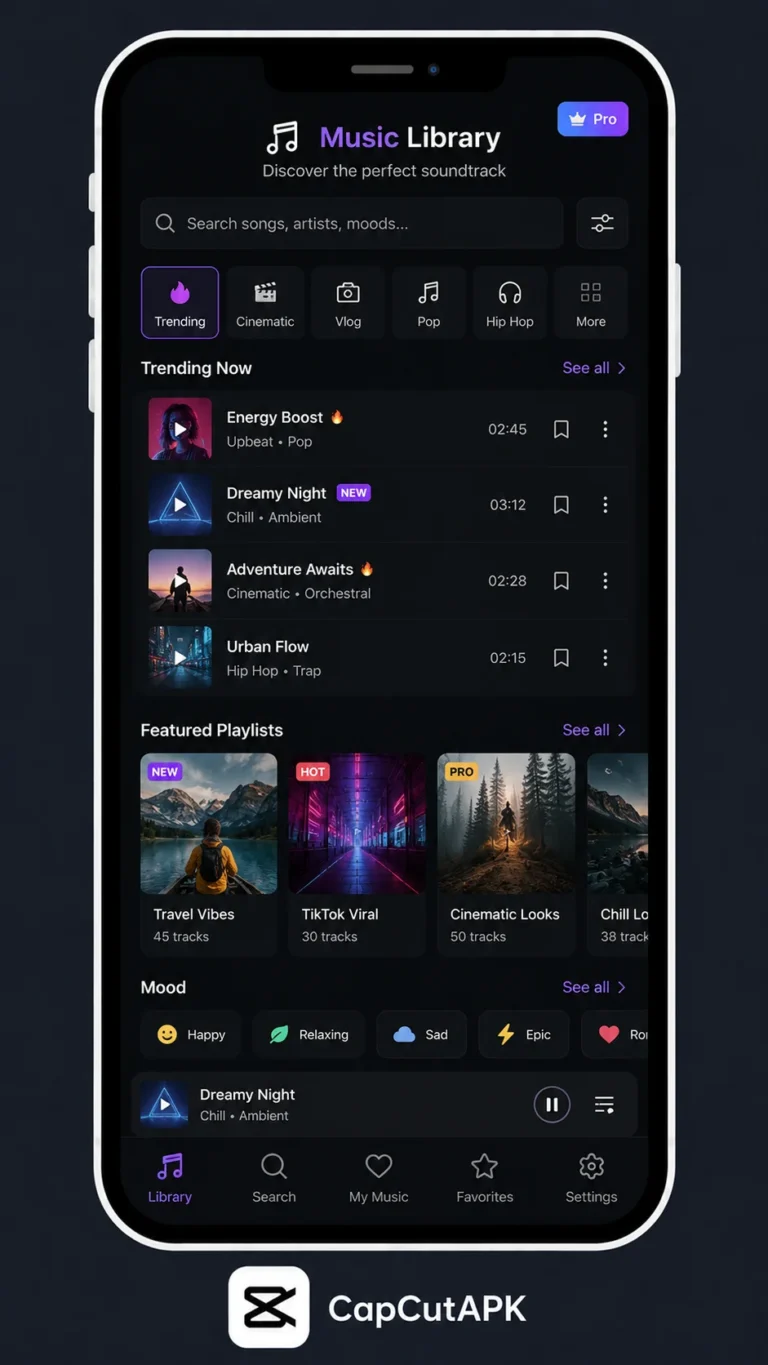
After you select a voice, CapCut generates audio and attaches it to the text layer. You can regenerate with a new voice without retyping the script. Rename layers on busy timelines so TTS clips are easy to find among music and sound effects. Label versions if you test alternate voices for the same line—v1 neutral, v2 energetic—so exports do not grab the wrong take. Lock the final narration lane once approved to prevent accidental drags during sticker edits.
Pacing and Punctuation
Pacing is the secret to natural capcut text to speech. Write the way you want the voice to breathe: short sentences, strategic commas, and line breaks between ideas. A wall of text becomes a rushed monologue; divided lines create audible pauses that feel human. Spell out numbers and symbols when clarity matters—”twenty percent” often sounds better than “20%” depending on the voice. For emphasis, duplicate a key phrase on its own line instead of using ALL CAPS, which some voices read letter by letter. Read the script aloud once before generating; if you stumble, the AI probably will too.
Fix awkward phrases, expand abbreviations, and split tongue-twisters before spending time on visuals. After generation, scrub the timeline and trim silence at the start or end of the clip. If a section feels rushed, split the text layer, add a blank line in the second block, and regenerate only that portion. This surgical approach beats re-rendering an entire three-minute script when one sentence feels off. Pair pacing edits with on-screen text so visuals reinforce spoken words. Highlight keywords in the Text style panel and time them to land when the voice says them.
Subtle zooms using keyframes can draw attention without overpowering narration. For listicles, put each bullet on its own text layer with separate TTS generation so pauses land between items. Avoid nested parentheses and slash constructions—the engine may skip or mangle them. Keep brand names in title case with hyphens if needed for pronunciation guides.
Layering Audio
Generated narration should sit on top of your mix, not fight it. Import background music on a separate audio lane, then duck music volume under speech using volume keyframes or the built-in auto-duck tools where available. Aim for roughly six to twelve decibels of reduction during lines; exact numbers matter less than whether you can understand every word on a phone speaker. Export a ten-second test clip before finishing a long project—room noise and cheap earbuds hide problems that show up on social feeds. Leave headroom in the master mix so platforms that loudness-normalize uploads do not squash your voice into distortion.
Sound effects belong sparingly under voice. Stingers and whooshes work best in gaps between sentences, not over vowels. If music and TTS clash in the same frequency range, pick a simpler instrumental bed or use CapCut’s EQ presets to carve space for the voice. When stacking multiple TTS clips, crossfade or leave a few frames of silence so cuts do not click. Visit our CapCut home guides for export bitrate tips that preserve speech clarity on YouTube, TikTok, and Instagram.
If you add auto captions after TTS, generate captions from the final mixed audio or manually align text to the voice clip. Mismatched captions hurt retention more than a slightly flat voice. Keep one master narration lane locked once approved so accidental drags do not desync the edit. Normalize perceived loudness across episodes so binge watchers are not surprised by volume jumps.
Use Cases
Creators use capcut text to speech for faceless finance breakdowns, recipe voiceovers, gaming commentary when mic quality is poor, and rapid A/B tests of hooks before hiring a narrator. Meme pages type outrageous lines in character voices for punchlines that would be embarrassing to record personally. Educators draft lessons in multiple languages by translating text and assigning different voices per track. Small businesses turn product bullet lists into slideshow videos for ads without booking studio time. News-style channels pair TTS with stock footage and lower-thirds for quick daily updates.
Combine TTS with screen recordings, kinetic text, and B-roll for polished explainers. Open with a question in large type, answer with AI narration, and close with a call to action on screen. For trending audio formats, mute the trend track briefly while TTS delivers the punchline, then drop the beat back in. Always verify licensing: CapCut’s terms and your monetization platform may restrict certain AI voices in commercial campaigns. Document which voice preset you used so sequels stay consistent.
When a project outgrows mobile, move the same timeline to CapCut desktop for finer audio edits, then export once. Archive scripts in notes apps so you can regenerate audio if CapCut updates voices and you need to match a sequel episode. Batch-produce weekly content by templating intro, body, and outro text layers with placeholders you swap each upload.
Frequently Asked Questions
Download CapCut Mod APK
Master capcut text to speech with premium tools unlocked. Download CapCut Mod APK.