CapCut vs InShot — Which to Choose?
Choosing between capcut vs inshot depends less on hype and more on how you actually publish. Both apps can produce polished short-form videos, but they differ in workflow philosophy: CapCut leans toward rapid trend execution with deeper integrated tools, while InShot often appeals to creators who want lightweight editing with minimal interface friction. This comparison breaks down editing speed, template ecosystems, text and audio control, export behavior, and long-term fit for solo creators or teams. If you want to test CapCut alongside InShot fairly, install the current version from CapCut download first. Then compare practical editing patterns using CapCut tutorials and desktop workflow notes at CapCut for PC. By the end, you will know which editor better matches your content volume, visual style, and production constraints in 2026. The goal is to help you choose once with confidence by testing actual production scenarios, not abstract feature claims that ignore your posting cadence and audience expectations. Many creators search inshot vs capcut before picking an editor — this guide compares both apps so you can decide which fits your TikTok and Reels workflow.

Editing Workflow and Timeline Control
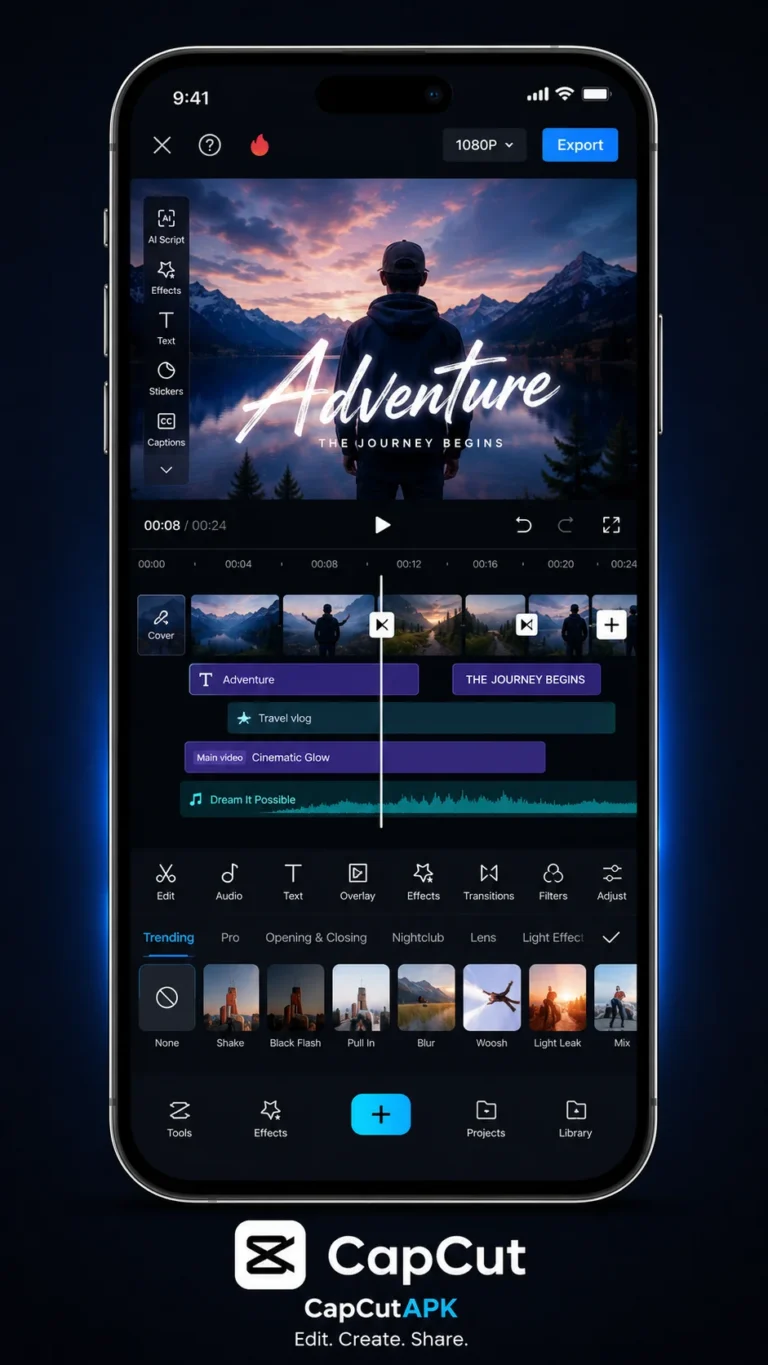
CapCut generally offers more granular timeline behavior for creators who stack effects, captions, and layered assets. InShot prioritizes quick assembly and often feels faster for simple cuts and music-backed montages. Your best choice depends on whether depth or speed matters more in your weekly output.
For beginners, InShot’s simplified controls can shorten onboarding. However, many users eventually outgrow minimal toolsets once they need precise keyframes, advanced text timing, or template reuse. CapCut often scales better when complexity increases over time.
If you edit daily, friction compounds. Small interface gains, like faster clip splitting or easier layer management, can save hours each month. Test each app on one real project rather than judging from isolated feature lists.
Effects, Templates, and Creative Options
CapCut usually provides a broader ecosystem of templates and trend-driven visual effects. This helps creators produce platform-native styles quickly, especially in fast-moving niches. InShot offers useful effects too, but its catalog often feels more conservative in experimentation depth.
Template abundance is only useful when customization remains flexible. CapCut tends to allow deeper adjustment of timing and layer behavior, while some InShot flows are quicker but less configurable. Decide whether you need creative control or rapid preset output.
For branded channels, overreliance on default templates can make videos look generic regardless of app. The winning workflow is using templates as scaffolding, then refining typography, timing, and motion to match your voice.
Audio, Captions, and Text Systems
Audio handling is a key differentiator for educational and voice-driven channels. CapCut usually offers stronger integrated options for captions, text timing, and layered audio shaping in one pipeline. InShot can handle core audio tasks but may require more manual compromises for complex mixes.
If your content relies on auto captions and text emphasis, CapCut’s subtitle workflow is often more production-friendly. InShot works well for short, simple title cards but can feel constrained on transcript-heavy storytelling formats.
Creators who post faceless explainers should test both apps with a narration-heavy sample. The app that preserves readability and voice clarity under deadline pressure is typically the better long-term choice.
Performance and Export Reliability
Performance varies by device, but workload type matters too. Light edits may run smoothly in both apps, while effect-heavy timelines can expose optimization differences. Test with your heaviest real project, not a trimmed demo clip.
Export reliability is crucial for professional publishing schedules. An app that crashes near final render can erase all time savings from earlier convenience. Track not just speed, but how consistently each app delivers finished files.
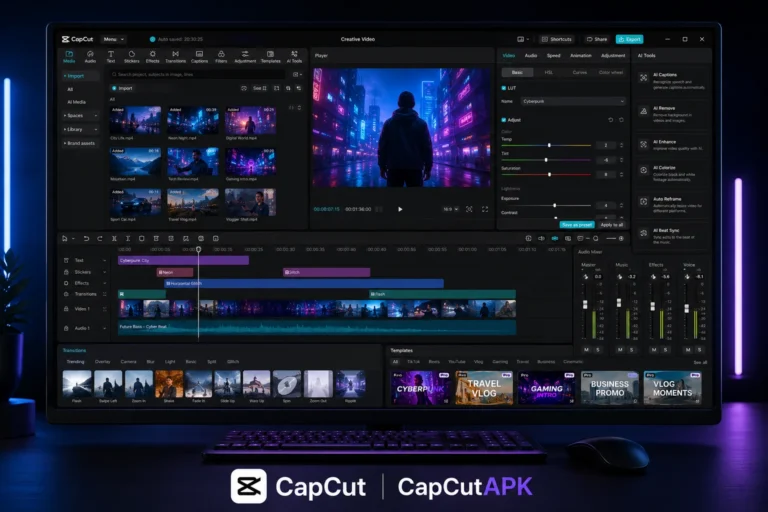
Desktop availability can also influence performance strategy. CapCut’s cross-device path gives flexibility when mobile hardware struggles. InShot users often stay primarily mobile, which is fine for simpler pipelines but limiting for scale.
Who Should Choose Which Editor
Choose InShot if your workflow is mostly quick trims, basic music overlays, and straightforward social posting. Its lighter interface can reduce friction for casual creators who prioritize simplicity over advanced control.
Choose CapCut if you need richer layering, stronger caption workflows, trend templates, and growth headroom as your content evolves. It is often the better choice for creators moving from occasional posting to consistent production systems.
The smartest approach is not ideological loyalty but task fit. Evaluate your top three recurring video formats, test both apps on those exact formats, and keep the one that gives faster repeatable quality with fewer workarounds.
Frequently Asked Questions
Download CapCut Mod APK
Master capcut vs inshot with premium tools unlocked. Download CapCut Mod APK. Many creators search inshot vs capcut before picking an editor — this guide compares both apps so you can decide which fits your TikTok and Reels workflow.