CapCut vs Filmora — Comparison
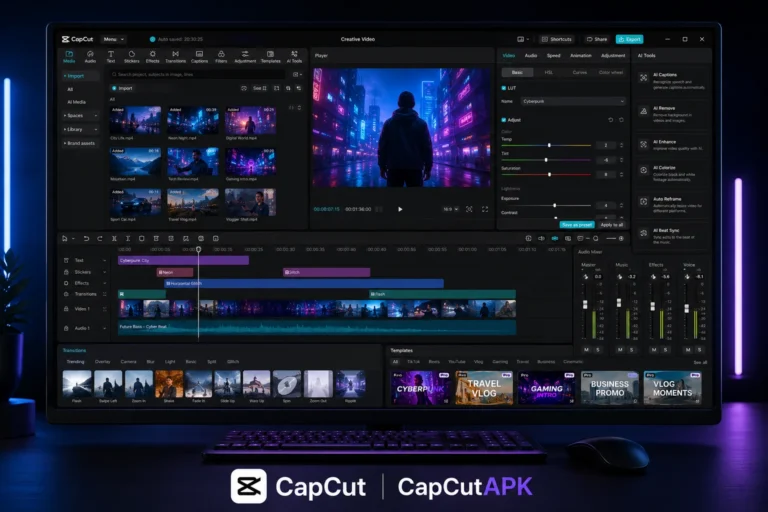
The capcut vs filmora decision comes down to editing depth, workflow environment, and budget tolerance over time. CapCut has become a dominant choice for mobile-first creators and short-form publishers, while Filmora remains popular for users who want a broader desktop editing suite with traditional NLE structure. This guide compares interface learning curve, creative control, performance under real workloads, licensing implications, and collaboration practicality. To benchmark fairly, begin with the latest CapCut build from CapCut download, then review practical CapCut methods in CapCut tutorials and desktop workflow behavior via CapCut for PC. By the end, you will understand which tool better serves your publishing cadence, hardware profile, and creative ambitions instead of relying on generic feature checklists. You will also see where each tool saves or costs time during revisions, because operational speed and stability often matter more than headline feature lists when output volume grows. This makes the guide especially useful for teams deciding tooling standards across mixed mobile and desktop pipelines. Desktop users sometimes weigh filmora vs capcut when they need traditional timeline depth beyond mobile-first editing.
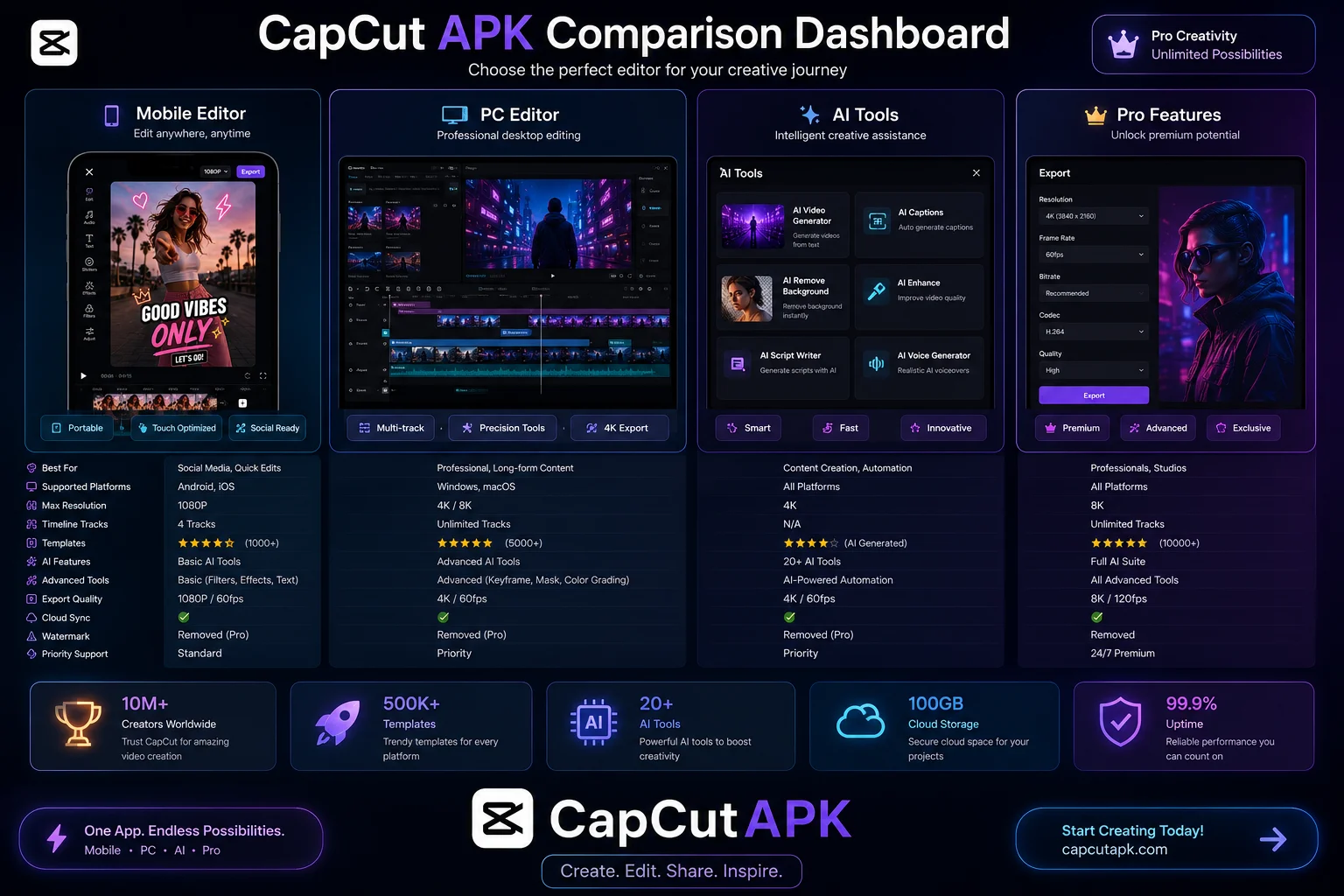
Interface and Learning Curve
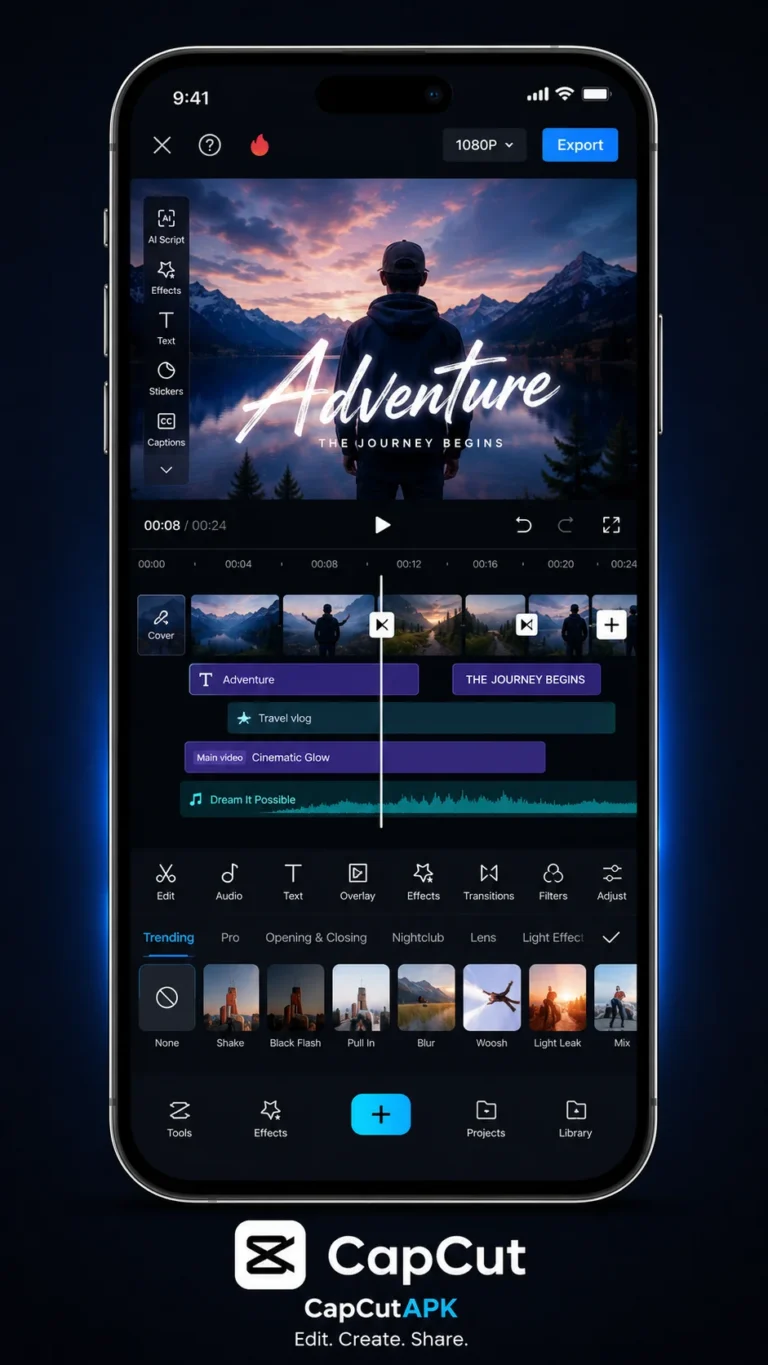
CapCut emphasizes speed and immediacy, especially for creators moving quickly between trend ideas and publish-ready cuts. Filmora presents a more traditional desktop editing layout that can feel familiar to users coming from established NLE workflows.
For first-time editors on mobile, CapCut usually feels less intimidating and faster to adopt. Filmora’s broader panel ecosystem can require more onboarding but rewards users who need deeper timeline organization and expanded project controls.
Learning cost is not just initial comfort; it includes how fast you can train teammates. If your team rotates editors often, simpler onboarding may outweigh niche advanced tools that only power users exploit.
Creative Features and Flexibility
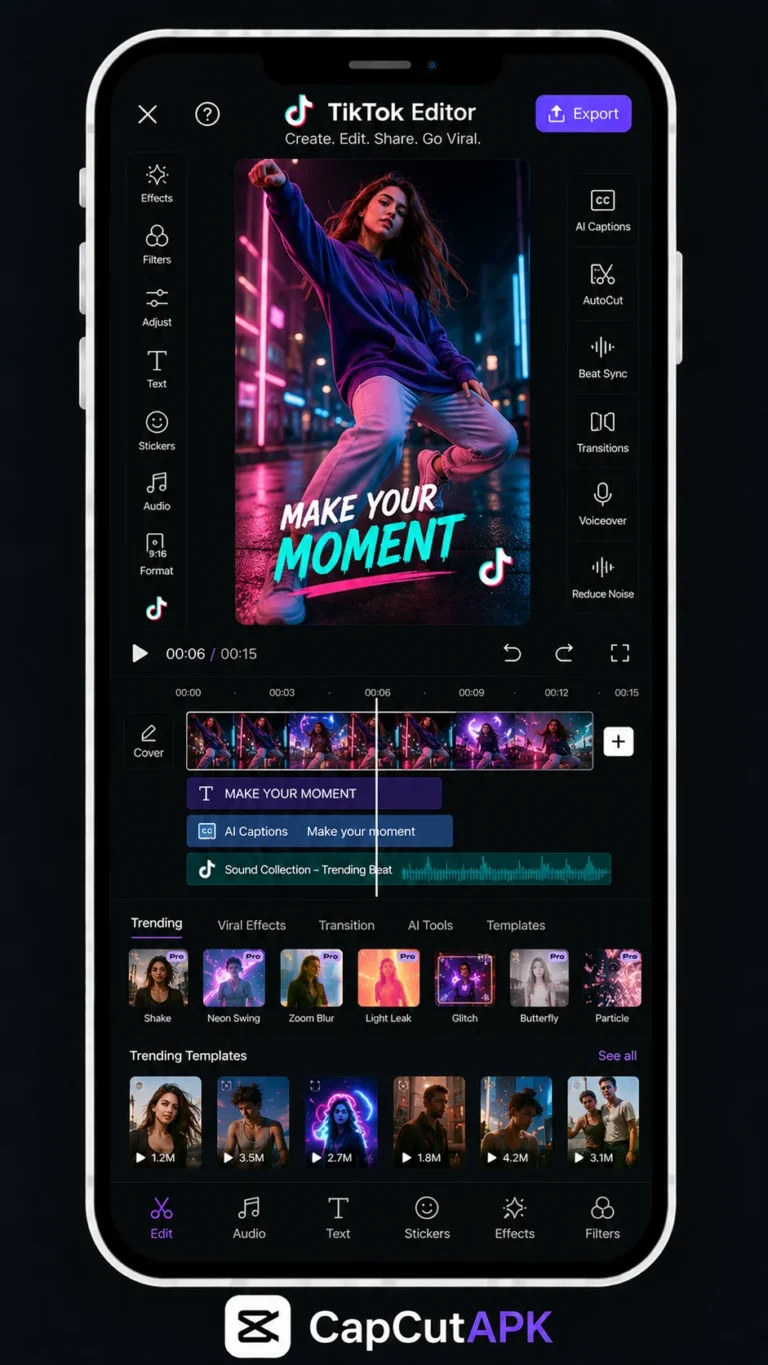
CapCut excels in short-form ecosystems with quick template adaptation, caption integration, and social-native effect stacks. Filmora offers wider desktop-style effects and compositing options for creators building longer or more stylized edits.
If your work depends on rapid iteration around platform trends, CapCut’s integrated workflow can reduce turnaround time. If your projects are more cinematic or multi-sequence, Filmora’s expanded desktop feature set may feel less constrained.
Feature quantity alone is misleading. The useful metric is how many clicks it takes to get from idea to approved output in your real production context. Evaluate both apps through execution speed, not brochure breadth.
Performance and Export Behavior
Filmora generally leverages desktop resources better for heavier timelines, but that assumes adequate hardware. CapCut can be remarkably efficient for short-form workloads and quick social exports, especially when projects remain structurally lean.
Stability under pressure matters more than benchmark bragging. A slower but predictable export pipeline is often preferable to faster previews that crash during final render. Track reliability across multiple projects before deciding.
If you often start on phone and finish on desktop, CapCut’s cross-device workflow can reduce friction. Filmora shines when your process is consistently desktop-centric from ingest to delivery.
Pricing, Licensing, and Long-Term Cost
CapCut’s cost structure can be attractive for creators scaling quickly, though premium assets and regional conditions still matter. Filmora’s subscription and licensing model may be acceptable for users who need desktop-centric capability and predictable support.
The real cost includes time spent on workarounds. A cheaper app that slows collaboration or forces repeated manual fixes may become expensive operationally. Calculate tool value in hours saved, not only monthly fees.
For agencies, licensing clarity and asset usage rights should be reviewed before standardizing any editor. Compliance concerns can outweigh feature preferences when content is monetized at scale.
Best Fit by Creator Profile
Choose CapCut if you are a short-form-first creator prioritizing rapid ideation, captions, templates, and frequent posting cadence. It is particularly strong for social teams that need quick turnaround and consistent branding.
Choose Filmora if your workflow is desktop-heavy, project duration is longer, and you prefer a classic editing environment with broader control layers. It can be a better fit for creators producing mixed-format deliverables.
Many professionals use both tools strategically: CapCut for fast social packages and Filmora for deeper desktop projects. Hybrid usage can deliver better output than forcing one app to solve every scenario.
Frequently Asked Questions
Download CapCut Mod APK
Master capcut vs filmora with premium tools unlocked. Download CapCut Mod APK.